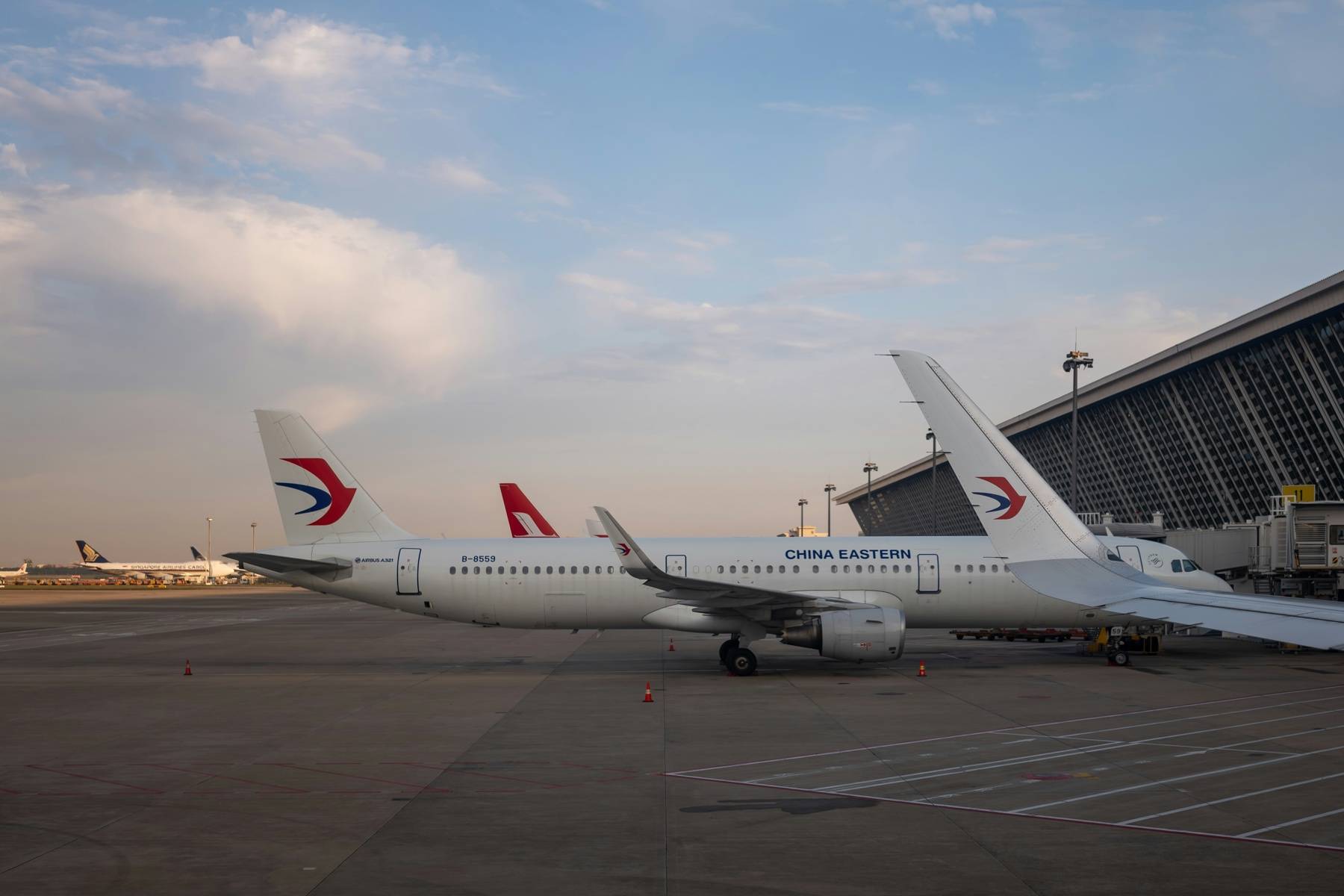
For China transit without a visa on separate tickets, ask the operating airline to review both bookings. Prepare a complete route, clear onward evidence, and the documents for the next destination before reaching check-in.
The official requirements below specify onward evidence but give no blanket ruling on separate booking references. Use this checklist to prepare for review and resolve questions before departure. The airline decides whether to carry you; border inspection makes its own admission decision.
Check the rule before the booking references
Start with the transit eligibility and deadline checker. Check your nationality, actual entry port, and intended entry time. Read the permitted area as well as the deadline. Save the result alongside the official source.
You need an ordinary passport with at least 3 months of remaining validity. A confirmed onward ticket to a third country or region different from your place of origin is required, booked before arrival and departing within the permitted stay. Review the NIA policy page and the consular transit FAQ for the official context.
Ask the carrier to review your actual documents and itinerary, including both bookings.
Prepare a single packet showing the whole journey
Gather your tickets, identity documents, and supporting travel details:
- Passport: carry the original and compare its details with every ticket. Resolve a name or document discrepancy with the issuer before travel.
- Flight into China: save the issued ticket, operating carrier, flight number, date, airports, and booking reference.
- Onward flight: save the issued ticket and booking record, with the passenger name, route, and departure details visible. Check its status directly with the carrier rather than relying on a payment receipt alone.
- Route summary: put the country or region before China, the China entry and exit points, and the onward country or region in travel order. Include intermediate stops so the carrier can review the complete journey.
- Next-destination documents: check the destination authority’s current entry rules for your passport and obtain any required documents.
- Stay details: keep your accommodation name, address, and intended city plan handy as supporting information.
- Offline copies: save readable copies of both bookings and any airline correspondence. Keep the official source links with them and bring printouts if that suits your travel setup.
For your onward booking, check: confirmed date; confirmed seat; booked before arrival; departure within the permitted stay. Ask the carrier what evidence it needs for each check. Clarify the seat-confirmation requirement before paying for seat selection.
Ask the operating airline before departure
Send the details through the operating airline’s official support channel. If another carrier operates your flight into China, ask who handles the departure document check and send that carrier the complete packet.
You can adapt this message:
I intend to travel via China under the applicable visa-free transit arrangement. My inbound and onward flights were purchased separately. Please review the attached complete route, passport details, and onward ticket. Can your departure document-check team verify this itinerary, and what evidence should I bring to check-in?
Ask for an answer tied to the itinerary and keep the case reference. If the response only repeats a general policy headline, follow up with the unresolved detail: separate references, an airport change, an intermediate stop, or the onward destination.
IATA describes Timatic as a travel-document information service used by airlines and ground handlers. It covers requirements such as passports, visas, and health documents. You can ask the carrier to review your route in its current document-check system, including Timatic where it uses that service.
Questions to be ready for at check-in
Use these questions to prepare for check-in:
- What is your basis for entering China without a visa? Show the relevant official policy and your route, then let staff perform their checks.
- Where did this journey come from, and where are you going after China? Show the complete sequence, including any additional stops.
- Where is the onward ticket? Open the issued booking with its current status and departure details.
- How long do you intend to stay, and where? Show your plan and expected departure.
- What documents do you have for the next destination? Keep the required evidence beside the onward ticket.
- Where will you collect and recheck luggage? Ask the carrier to confirm this for the actual tickets.
Arrive according to the airline’s instructions, with enough room to resolve a document question before its deadlines. Keep both bookings together and easy to open.
Plans that need closer review
Returning to the origin: Your onward destination must differ from your country or region of origin. An origin → China → same origin plan does not meet that destination condition. Different airlines or booking references do not alter the places in that route.
Unclear onward evidence: an unpaid hold, standby arrangement, missing passenger name, or unresolved ticket status is a reason to ask the carrier for clarification. Resolve questions about your onward evidence before check-in.
An itinerary that depends on a tight self-transfer: ask what happens to your bags and tickets if the first flight is delayed. As a carrier-specific example, Delta’s published baggage policy sets conditions and exceptions for through-checking on separate tickets and warns of missed-connection risks. Its guidance says ordinary published minimum connection times do not apply to independently sold flight segments. For other airlines, check their published baggage and connection rules.
Airport changes or additional stops: show every leg to the airline. Check each airport name against the ticket and each intended city against the permitted area.
A changed onward booking: rerun the deadline and destination checks, then ask the airline to review the revised journey. Send the updated tickets so the review matches your journey.
If boarding or entry is refused
Ask which requirement is unresolved and who made the decision. At check-in, request a supervisor or document-check review and present both tickets together. Ask for the reason in writing where available, along with any case reference. Stay focused on the specific condition rather than arguing from another traveler’s experience.
If the refusal stands, ask the carrier or ticket issuer about the applicable change and refund terms before purchasing a replacement. Contact the relevant immigration authority or consulate for clarification about entry or visa options. At border inspection, follow officials’ instructions and contact the airline about onward arrangements.
Separate-ticket questions
Use these answers to prepare your airline document check.
Can I use separate flight bookings for China transit without a visa?
A confirmed onward ticket to a third country or region different from your place of origin is required, booked before arrival and departing within the permitted stay. Ask the operating airline to review both tickets together before departure.
Can I still face denied boarding with an onward ticket?
An onward ticket is one part of the document review. Ask the airline to check the complete route, passport, entry basis, and destination documents. If staff cannot establish that your documents meet the requirements, ask which condition is unresolved and request a supervisor review. An onward ticket alone does not guarantee boarding.
What should I do if my China transit visa is rejected?
First identify the decision: an airline refusal to carry you, refusal of temporary entry at border inspection, or a visa application decision. These are different situations. Ask the decision-maker for the reason and available next steps. Contact the airline about ticket changes and the relevant official authority about entry or visa options. Do not assume that buying another ticket resolves the reason for refusal.
Can I fly back to the country or region I came from?
Under China's visa-free transit rules, the onward destination must be a third country or region different from your place of origin. Changing the airline, booking reference, or arrival city does not change this requirement. Ask the airline to review the full route if it contains additional stops.
How much time can I spend in China on this transit plan?
The maximum stay is 240 hours. The 240 hours start at 00:00 on the day after entry, in Beijing time (Asia/Shanghai). Enter your arrival airport and Beijing entry time in the checker to plan your departure.
Add the city plan after the route review
Once the document questions are resolved, choose a plan with flexible arrival and departure blocks. The Chengdu itinerary and Chongqing itinerary include departure checklists; the Shanghai guide offers another starting point. Save the confirmed arrangements and useful phrases in Stopover, then keep checking the live bookings for changes.
Take it with you
Keep the details close.
Your stay countdown, Chinese phrase cards, and help card, together in Stopover.
Download Stopover: China Transit